December 17, 2025

Astrocytes Have a Secret Fuel Source (And It Changes How They React to Inflammation)

Astrocytes Have a Secret Fuel Source (And It Changes How They React to Inflammation)

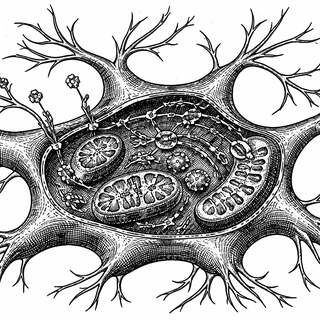
Astrocytes are the brain's support cells, and they become "reactive" during inflammation - changing their shape, gene expression, and function. What drives these reactive states? A study in Cell Reports reveals that energy metabolism plays a key role, with the nucleoside inosine serving as a vital...
December 17, 2025

Attention, Memory, and Consciousness Are More Intertwined Than We Thought

Attention, Memory, and Consciousness Are More Intertwined Than We Thought

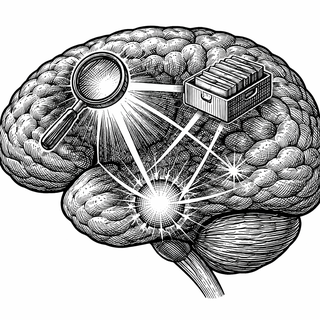
Cognitive science has a filing problem. We've created neat little categories for mental functions: attention goes in one drawer, short-term memory in another, consciousness in a third. Each has its own journals, conferences, and research traditions. Very tidy.

December 16, 2025

Adult ADHD Is Real, But It's Weirder and More Complicated Than You Think

Adult ADHD Is Real, But It's Weirder and More Complicated Than You Think

For a long time, ADHD was filed under "things hyperactive kids have" in the public imagination. Squirmy children who can't sit still, eventually outgrown along with the urge to eat paste and believe in Santa. Turns out that's not how it works. Roughly 2.5% of adults worldwide have ADHD, and up to...

December 15, 2025

AI Kept Blurring Everything Together. Brain Rhythms Showed It How to Stop.

AI Kept Blurring Everything Together. Brain Rhythms Showed It How to Stop.

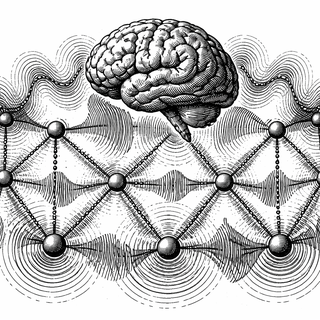
Graph neural networks have a problem, and it's hilariously relatable. They're supposed to analyze complex networks of connected data, but give them too much to think about and everything starts to look the same. It's like that friend who, after three drinks, insists everyone at the party is...

December 14, 2025

A Specific Type of Motor Cortex Neuron Is Essential for Learning New Movements

A Specific Type of Motor Cortex Neuron Is Essential for Learning New Movements

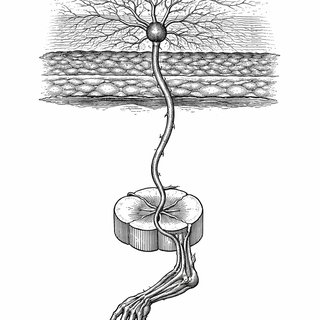
Motor cortex contains many cell types, but which ones actually mediate motor learning? A study in Cell Reports identifies neurons expressing nitric oxide synthase (Nos1) as a specialized population critical for acquiring new motor skills.

December 14, 2025

A Stress Hormone in the Brain Keeps Repair Cells from Growing Up Too Fast

A Stress Hormone in the Brain Keeps Repair Cells from Growing Up Too Fast

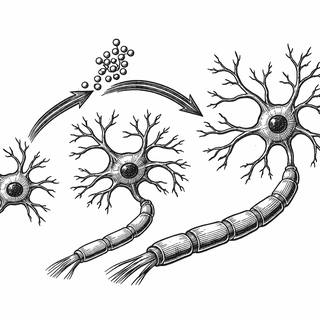
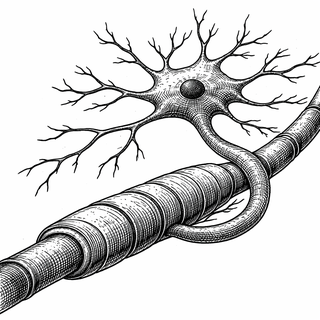
When the brain is injured, oligodendrocyte progenitor cells (OPCs) rush to the scene and transform into myelin-producing cells. A study in Cell Reports reveals an unexpected regulator of this process: corticotropin-releasing hormone (CRH), better known as the stress hormone trigger.

December 13, 2025

A Promising MS Drug Just Failed a Big Trial (And Publishing That Matters)

A Promising MS Drug Just Failed a Big Trial (And Publishing That Matters)

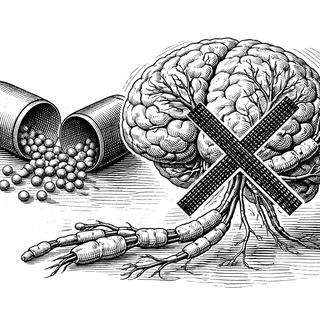
Not all science news is about breakthroughs. Sometimes the most important findings are the ones that close doors, even doors we really wanted to walk through.

December 12, 2025

A New MRI Technique Watches Brain Cells Develop in Living Babies

A New MRI Technique Watches Brain Cells Develop in Living Babies

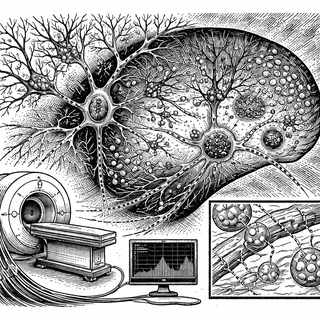
Here's a fun problem in neuroscience: we really want to know what's happening inside developing brains, but we can't exactly ask a newborn to sit still while we take a tiny tissue sample. The ethics committee tends to frown on that sort of thing. So for decades, scientists have been stuck in a...

December 11, 2025

A Gene Linked to Intellectual Disability Controls How Oligodendrocytes Shape Their Myelin

A Gene Linked to Intellectual Disability Controls How Oligodendrocytes Shape Their Myelin

Mutations in certain X-linked genes cause intellectual disability. A study in eLife reveals how one such gene controls the microscale morphology of oligodendrocytes and their myelination patterns.

December 11, 2025

A New Gene Therapy Virus Gets Into the Brain 100 Times Better Than Current Ones

A New Gene Therapy Virus Gets Into the Brain 100 Times Better Than Current Ones

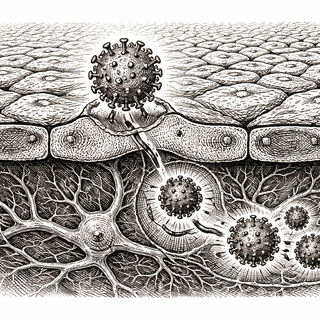
Getting gene therapies into the brain is hard. The blood-brain barrier blocks most delivery vehicles. A study in Cell Reports engineers a new viral vector that achieves 100-fold better brain delivery by targeting a specific receptor on blood-brain barrier cells.