
Ever wondered why that friend who drinks regularly seems to need more anesthesia during surgery? Turns out, the answer might be hiding in their intestines - and no, we're not talking about liquid courage.
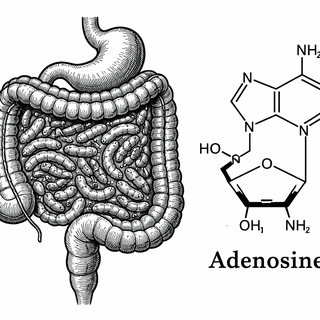
A new study from researchers at Yunnan Agricultural University just connected some seriously unexpected dots: chronic alcohol consumption, gut bacteria, and how well anesthesia works on you. Spoiler alert - your microbiome is basically running a side hustle that affects how drugs hit your brain.
The Discovery That Made Anesthesiologists Say "Wait, What?"
Here's what surgeons and anesthesiologists have known for ages: people who drink heavily tend to need more anesthesia. They take longer to go under, and they wake up faster. It's one of those medical facts that everyone accepts but nobody could fully explain. The usual suspects - liver metabolism, brain adaptations - told part of the story, but something was missing.
Wang and colleagues decided to look somewhere unexpected: the gut. They studied 74 long-term alcohol consumers alongside mouse models, and what they found was kind of wild. When they took gut bacteria from alcohol-exposed mice and transplanted them into completely naive mice (who had never touched a drop), those recipient mice suddenly became harder to anesthetize too.
Let that sink in. The bacteria alone - transferred via fecal transplant - was enough to make normal mice resistant to anesthesia. The alcohol itself wasn't even in the picture anymore.
Adenosine: The Molecule Playing Both Sides
The team went full detective mode with metagenomic and metabolomic analyses (fancy ways of cataloging gut bacteria and their chemical outputs). They found that alcohol-altered gut microbiomes were pumping out elevated levels of adenosine - a molecule your body already makes and uses for all sorts of things, from regulating sleep to signaling that your cells need more energy.
Adenosine is basically your brain's "time to calm down" signal. It builds up while you're awake (that afternoon slump? thank adenosine) and gets cleared while you sleep. Coffee works by blocking adenosine receptors, which is why your morning espresso makes you feel like you could fight a bear.
But here's the twist: when researchers gave mice adenosine supplements directly, those mice also became harder to anesthetize. The mechanism? Adenosine appears to downregulate GABA-A receptors - the exact brain receptors that most anesthetics target to knock you out.
Why Your Gut Gets a Vote in Your Surgery
The gut-brain connection isn't new, but this study shows just how specific and clinically relevant it can be. Your intestinal bacteria aren't just sitting around digesting fiber - they're producing metabolites that travel through your bloodstream and literally change how your neurons respond to drugs.
GABA-A receptors are the main targets for a huge class of anesthetics and sedatives. When alcohol chronically stimulates these receptors, the brain adapts by becoming less sensitive to GABA signaling generally. But this study suggests the gut microbiome is adding another layer to that adaptation through adenosine production.
It's like discovering that the reason your car is running weird isn't just the engine - it's that someone installed a secondary fuel system you didn't know about.
What This Means For Actual Humans
For anesthesiologists, this research could eventually change pre-surgical assessments. Instead of just asking "how much do you drink?" they might someday analyze gut microbiome profiles or adenosine levels to better predict anesthetic needs.
For the rest of us, it's another reminder that the trillions of bacteria in our guts are doing way more than helping us digest lunch. They're influencing everything from immune function to mood to - apparently - how well sedatives work.
The researchers suggest this gut microbiota-adenosine pathway could become a therapeutic target. If you could modify the microbiome or block specific adenosine pathways before surgery, you might be able to restore normal anesthetic sensitivity in heavy drinkers.
The Bigger Picture
This work fits into a growing body of research showing that gut bacteria influence brain function in surprisingly direct ways. Previous studies have linked the microbiome to anxiety, depression, and even responses to chemotherapy. The gut-brain axis is now recognized as a major player in human health, with anesthesia sensitivity being just the latest addition to its resume.
What makes this study particularly elegant is the fecal transplant experiment. By showing that bacteria alone can transfer anesthetic resistance, the researchers ruled out a lot of alternative explanations and pointed directly at the microbiome as a causal factor.
So next time you're at a bar, maybe raise a glass to your gut bacteria. They're paying attention to every round - and they might have opinions about your next surgery.
References:
-
Wang S, Su LY, Lan D, et al. Adenosine signaling driven by the gut microbiota underlies chronic alcohol-induced anesthetic resistance. Cell Reports. 2026;117015. DOI: 10.1016/j.celrep.2026.117015
-
Li X, et al. Interaction between gut microbiota and anesthesia: mechanism exploration and translation challenges focusing on the gut-brain-liver axis. Frontiers in Cellular and Infection Microbiology. 2025. PMID: 40989190
-
Kumar M, et al. The role of GABAA receptors in the acute and chronic effects of ethanol: a decade of progress. Psychopharmacology. 2009. PMC2814770
-
Borea PA, et al. Adenosine receptors and brain diseases: Neuroprotection and neurodegeneration. Biochimica et Biophysica Acta. 2010. ScienceDirect
-
Leclercq S, et al. Gut microbiome in alcohol use disorder: Implications for health outcomes and therapeutic strategies. PMC. 2024. PMC10989405
Disclaimer: The image accompanying this article is for illustrative purposes only and does not depict actual experimental results, data, or biological mechanisms.